


If you've been keeping chickens for any length of time, you've probably heard the buzz about black soldier fly larvae — commonly called grubs. Your hens will sprint across the yard for them. But are they actually good for your flock, or just a popular trend? The answer is very much the former. Here's the full breakdown on why grubs belong in your flock's daily routine.
Key Takeaways
- Fall clean-out first: Strip all bedding, clear cobwebs and dander, clean vents, and scrub roosts (a 50/50 vinegar-water mix works well) before setting up for winter.
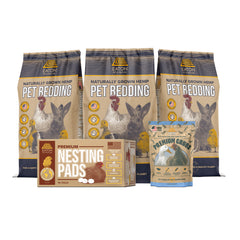
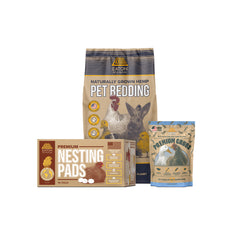
- Deep litter method for warmth: Keeping several inches of bedding that's turned and topped up regularly lets microbial breakdown generate natural heat — hemp bedding works especially well here thanks to its absorbency and low dust.
- Odor and moisture control: Products like a bio-enzyme odor spray or barn lime help control ammonia and stretch the life of bedding between full clean-outs.
- Insulated nest boxes matter: A soft, thick layer (like aspen fiber nesting pads) protects eggs and keeps winter-laying hens comfortable.
- Check for drafts and consider supplemental heat: Not every coop needs heating, but breeds with large combs, seniors, and recently ill birds benefit from it in very cold climates.
- Prep the run too: Clear roof debris, reinforce weak spots against predators, add ground substrate for mud/snow, and install heated water dishes so chickens always have access to unfrozen water.
- Adjust winter feeding: Offer extra calories, protein, and fat (oatmeal, grubs, hemp seeds, suet) to help chickens cope with cold and support molting or return to lay.
What Are Black Soldier Fly Larvae?
Black soldier fly larvae (Hermetia illucens) are the larval stage of the black soldier fly — a beneficial, non-pest insect found naturally across North America. In the wild, chickens and other birds naturally forage for insects and larvae, making BSFL one of the most biologically appropriate treats you can offer.
When dried, they become a shelf-stable, highly nutritious snack that's easy to store and feed. No refrigeration needed, no mess, no waste.
The Nutritional Case for Grubs
Calcium Content — 85x More Than Mealworms
This is the headline number. Dried black soldier fly larvae contain significantly more calcium than mealworms — a nutrient that's absolutely critical for laying hens. Calcium directly impacts eggshell strength and thickness. Hens that don't get enough calcium will either lay thin-shelled eggs that crack easily or pull calcium from their own bones, leading to long-term health problems.
High-Quality Protein
BSFL are approximately 40% protein by dry weight, with a strong amino acid profile. Protein supports feather growth, tissue repair, muscle maintenance, and overall energy — especially important during molting season when hens are regrowing feathers and often stop laying temporarily.
Healthy Fats for Feather Quality
The fat content in grubs contributes to a glossy, healthy coat of feathers. Birds that receive adequate fat in their diet tend to have fuller, shinier plumage compared to those on protein-only supplements.
Phosphorus Balance
Unlike some calcium supplements, BSFL have a naturally balanced calcium-to-phosphorus ratio, which supports proper mineral absorption rather than creating imbalances.
USA-Grown Matters
Not all grubs are created equal. A lot of the dried larvae on the market are imported, with inconsistent quality control and questionable growing conditions. When you're feeding something to your flock daily, knowing where it comes from matters.
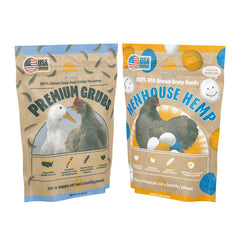
Eaton Pet & Pasture's Premium USA Grubs are grown right here in the United States — tighter quality standards, fresher product, and no mystery supply chain. Available in 1 lb and 5 lb bags.
How and When to Feed Grubs
How much: Treats should make up no more than 10% of your flock's total daily diet. For a small flock of 4–6 hens, about ¼ cup per day is a good starting point.
When to feed:
- During molting: extra protein helps feathers regrow faster
- In winter: the fat content provides extra energy when birds are working harder to stay warm
- As a training tool: grubs are so appealing hens will follow you anywhere for them
- Daily as a supplement: consistent calcium supports shell quality year-round
How to feed: Scatter on the ground for natural foraging behavior, mix into feed, or hand-feed for bonding with your birds.
Grubs vs. Mealworms: Which Is Better?
Mealworms have been the go-to chicken treat for years, but grubs are objectively more nutritious in the categories that matter most for laying hens:
| Nutrient | Black Soldier Fly Larvae | Mealworms |
|---|---|---|
| Calcium | Very High | Low |
| Protein | ~40% | ~53% |
| Fat | ~30% | ~28% |
| Calcium:Phosphorus Ratio | Balanced | Imbalanced |
Mealworms aren't bad — they're just outclassed. If you're going to spend money on chicken treats, grubs give you more nutritional value per dollar, especially where calcium is the priority.
The Bottom Line
Black soldier fly larvae are one of the few chicken treats that are genuinely good for your birds, not just something they enjoy. The calcium support alone makes them worth keeping in your coop cabinet. Add in the protein, fat, and natural foraging appeal, and you have a daily treat that earns its place in your routine.
Try Eaton's Premium USA Grubs — available in 1 lb and 5 lb bags. Your hens will let you know what they think within about three seconds.