

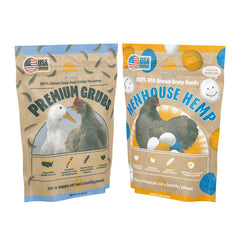

We all love to give our chickens treats. It’s so much fun to see the whole flock run over when you shake the treat bag. But, just like people, healthy chicken treats are best. Chopped up fruits and veggies have obvious health benefits, but so do grubs, better known as black soldier fly larvae. We’re going to tell you how these little bugs ended up becoming one of the best and most popular chicken treats around, and why they’re so amazing.

Around 2015, black soldier fly larvae (BSFL) began selling commercially as feed/treats for exotic pets, including reptiles, pocket pets, and tropical birds. It wasn’t too much of a jump from there to chickens and other poultry. As the 4th most popular pet in America (according to APPA,) chickens were instrumental in helping the poultry treat industry become a commercial success.
Besides the fact that chickens and ducks love them so much, the best things about BSFL are how easy they are to produce and how nutrient dense and beneficial they are for your flock. Most of the BSFL produced in the US are fed on post consumer food waste that would otherwise end up in a landfill. This includes spent brewer’s grains, post production dairy, and scraps from meat, fruits, and vegetables.

Before BSFL came onto the scene, poultry keepers would often use mealworms as treats for their flock. But the BSFL far exceed mealworms in nutritional benefits. They’re very high in protein, calcium, fiber, and healthy fats. All four of these nutrients play an important role in poultry health. Let's break that down:
Protein - Proteins provide crucial amino acids for chickens to build and repair muscles, organs, connective tissue, feathers, and pretty much every system in their body. It’s also necessary for laying hens to produce eggs, and helps keep them in tip top shape. Growing babies and young pullets and cockerels require a lot of protein as they grow into adult birds. Hand feeding grubs offers them extra protein and also gives you a chance to start building a bond with them.
Calcium - Calcium is the bedrock of reproductive health for hens. They need calcium to form strong eggshells, to help with the muscle contractions that move eggs through the oviduct, and to keep bones strong and healthy.
Dietary Fiber - Fiber is an essential component of healthy eating for poultry. Dietary fiber helps move food through the chicken’s digestive tract, it makes for more efficient grinding in the gizzard, and it helps to feed good bacteria in the chicken’s gut and cecal pouches. Fiber also helps keep a chicken feeling fuller, helping them to feel satisfied and not overeat. And satisfied chickens tend to be less aggressive, curbing bad habits and adding to a peaceful flock.
Healthy Fats - Chickens need a certain amount of fat in their diet. It helps with growing shiny, gorgeous feathers and producing healthy skin. But that fat is also necessary for chickens to metabolize certain important vitamins, including A, D, E and K. Vitamin D helps hens to metabolize dietary calcium which we know is crucial for bone health and strong eggshells.

Beyond these four beneficial nutrients, BSFL also contain lower amounts of other important vitamins and minerals. Among other minerals, grubs contain Phosphorus, necessary for helping the chicken’s body absorb and utilize calcium. Vitamins B1, B2, and vitamin C are also present, helping your birds reach their recommended daily amounts. Working together, these vitamins and minerals help your birds build a strong immune system as well as aiding in neurological and circulatory system functions.
BSFL are produced all over the world, but we prefer to use grubs that are produced in the US, or at least in North America. Sourcing BSFL from domestic producers ensures quality control and benefits grub farmers who are practicing eco-friendly agriculture. Not only is it better for the planet to have a short supply chain, it also means fresher bugs for your flock. The post consumer food waste grub farmers use to feed their bugs would otherwise go into a landfill and create greenhouse gas emissions and potentially toxic runoff.
Best practices for feeding healthy treats to your flock:
Chickens will happily eat treats at any hour, but it’s a good idea to feed grubs and other goodies toward the end of the day. That way, your flock has had all day to eat their regular feed and absorb all of the nutrients that they need. When you toss them some grubs in late afternoon, they’re getting even more health benefits from a snack that they love. You can also use snack time as a way to round up your free ranging poultry in the evening. Most chickens and ducks will come running as soon as you shake that bag at them. Our ducks love it when we float some BSFL in their water dish. A mixture of grubs and peas are a duck’s idea of heaven! Handfeeding grub treats is another great way to build trust with your birds and help you bond with your poultry.
