


Cold weather is here and it’s time to prepare your coops and runs for winter. We love to do a thorough Fall clean-out and get our flocks set up in ways that make managing the season easier for us and our birds. A bit of extra time and preparation beforehand will help make your life easier once the big freeze hits.
Key Takeaways
- Fall clean-out first: Strip all bedding, clear cobwebs and dander, clean vents, and scrub roosts (a 50/50 vinegar-water mix works well) before setting up for winter.
- Deep litter method for warmth: Keeping several inches of bedding that's turned and topped up regularly lets microbial breakdown generate natural heat — hemp bedding works especially well here thanks to its absorbency and low dust.
- Odor and moisture control: Products like a bio-enzyme odor spray or barn lime help control ammonia and stretch the life of bedding between full clean-outs.
- Insulated nest boxes matter: A soft, thick layer (like aspen fiber nesting pads) protects eggs and keeps winter-laying hens comfortable.
- Check for drafts and consider supplemental heat: Not every coop needs heating, but breeds with large combs, seniors, and recently ill birds benefit from it in very cold climates.
- Prep the run too: Clear roof debris, reinforce weak spots against predators, add ground substrate for mud/snow, and install heated water dishes so chickens always have access to unfrozen water.
- Adjust winter feeding: Offer extra calories, protein, and fat (oatmeal, grubs, hemp seeds, suet) to help chickens cope with cold and support molting or return to lay.
We start by stripping all bedding out of our coops and cleaning from top to bottom. This includes getting cobwebs, feathers, and old chicken dander out of the cracks and crevices. Clean and remove dust and buildup from vents, and remove, clean, and store summer fans. While you’re busy in the coop, it’s a good time to scrub, sand, and/or recover the roosts. With longer nights and less daylight, your flock will be spending more time on the perches. A simple mixture of 50/50 vinegar and water will kill a lot of bacteria and other microbes and won’t harm your chickens.

Once your coop is clean, it’s time to start your winter set-up. This is a great opportunity to think about bedding choices and how you want to maintain your coop through the winter. This year, we’re both using the deep litter method. This involves keeping a thick layer of bedding (several inches deep) that is turned and added to regularly to encourage microbial action and breakdown of organic matter. The by-product of those microbes is heat, making deep litter even more beneficial in the coldest climates.
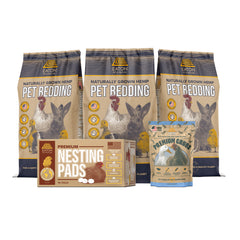
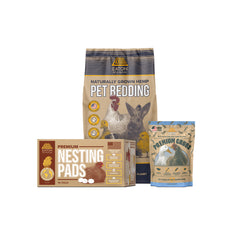
Hemp bedding is terrific for deep littler because it is so absorbent and produces little dust. This year’s setup has been easier than ever thanks to Eaton Pet and Pasture’s hemp bedding and Coop Odor Eliminator Spray. This spray is a game changer. Not only is it non-toxic and helps eliminate odors, but it also contains bio-enzymes that kick start your deep litter microbes and make the whole system more efficient. At the end of the season, you’ll have top quality compost for your spring garden.

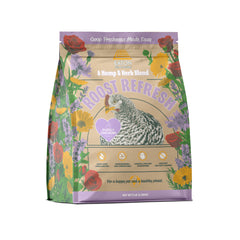
If you’re not using deep litter, you have plenty of other options for cold weather. Hemp bedding is a great choice on its own, but you can also mix it with other beddings like pine shavings. It is such an absorbent bedding that Holly uses it in both her duck and goose houses. Controlling moisture and odor is more of a challenge in the winter when your flock is in the coop for longer periods of time. You may end up cleaning more often, but you can also stretch the life of your bedding by using products like Eaton’s Revitalime. It helps control ammonia odors and also contains herbs for freshness. You can put down a layer of lime on the coop floor before you add bedding, or you can sprinkle it on used bedding. Give the old litter a stir to turn it over, then top with a fresh layer of Revitalime and a layer of new bedding. Roost Refresh, a delicious smelling blend of hemp and herbs that includes lavender, rose, and lemon balm, is another great option for topping off as a fresh layer.

Once our bedding is in place, we turn our attention to the nestboxes. We keep several breeds that are winter layers so egg production starts up again in late December and early January. We want our boxes cushy and well insulated for those hard-working girls. Our first layer in the box is Eaton’s Premium Nesting Pads. They’re made here in the US from sustainably produced Aspen tree fiber. The pads make a soft, thick, insulating layer that protects eggs from cracking on impact and keep hens comfy. The hens like them because it’s a natural material that feels like dried grass. We like them because they last for a long time and can go right into the compost pile once they’re past their usefulness. If you really want to spoil your girls, you can top the aspen pads with a sprinkle of Eaton’s Premium Nesting Herbs or even a layer of Roost Refresh.
After we have our bedding in place, we take a few minutes to check for drafts - places where cold air would be blowing directly onto your birds - and correct any problems that we find. We also set up our supplemental heating systems, like Sweeter Heaters or Cozy Coop radiant panel heaters. Not every coop needs supplemental heat, but it’s something to consider if you live in a very cold climate. The need for heat also depends on your coop and how many chickens you have, your breeds (Silkies, bantams, hens and roosters with large combs and wattles like many of the Mediterranean breeds benefit from supplemental heat) their ages, and any health issues. Senior chickens and birds that have been ill fare much better if they aren’t exposed to freezing temperatures for sustained periods of time.

Now we turn our attention to our runs. We start at the top, blowing leaves and removing debris that would weigh down the roof. The added weight of snow on top of leaves can damage your run structure. This is also a good time to check the run perimeter for any weak spots and reinforce them to keep out predators. We like to stock up on substrate like non-treated wood chips or coarse shavings to put down on the ground in case of excess mud, ice, or snow. Wrapping the runs in heavyweight tarps gives your birds some shelter from wicked winter winds. The last step for our run set-up is installing heated water dishes. Chickens need to drink a lot in the winter so it’s crucial to keep them supplied with unfrozen drinking water. You can buy heated dishes online, or in pet and farm supply stores. These dishes are made for outdoor use and are much safer than using crock pots and other dangerous and unreliable options.
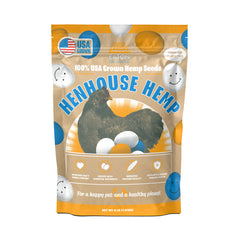
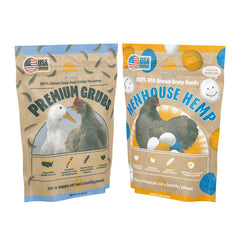
The final piece of our winter plan revolves around what our flock is eating. We try to keep extra feed on hand in case of weather emergencies, and we stock up on healthy treats. Besides giving your flock safe fruits and vegetables, we also give oatmeal, grubs, and hemp seeds. Chickens appreciate more calories and a bit more protein in the winter, especially when they have a late molt or they come back into lay. They also require a bit of fat in their diet to help them use fat-soluble vitamins like A, D, E and K. Suet treats, seeds, and insects are good sources. We like to offer treats in the late afternoon, often mixing in Henhouse Hemp seeds and grubs with a few handfuls of scratch grains.
Winter can be hard on chickens and their people, but planning ahead makes it easier for you and your flock to cope with frigid weather. Advance preparation goes a long way and cuts down on seasonal stress, letting you enjoy time with your girls and boys with a lot less worry. Check out our recommended products from Eaton Pet and Pasture and don’t forget to listen to our podcast, Coffee with the Chicken Ladies, for more poultry care information.

Holly Callahan-Kasmala and Chrisie DiCarlo are the creators and hosts of Coffee with the Chicken Ladies Podcast. Chrisie is a former veterinary technician and trauma nurse while Holly is a historian and former librarian. They use their skills and 20+ years keeping chickens to enable anyone who wants to find their inner chicken lady. They’re both passionate about heritage breeds, and they’ve never met a chicken that they didn’t like.